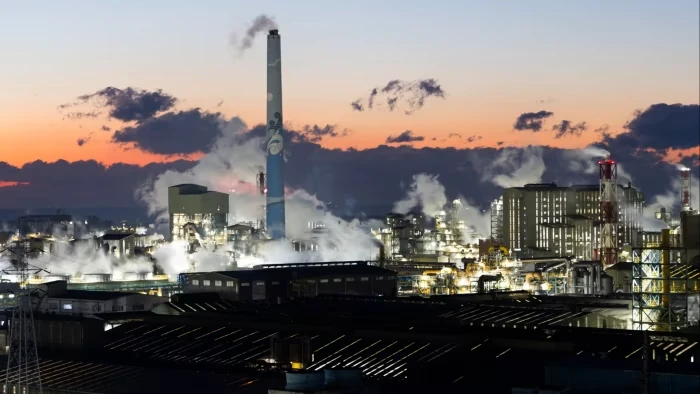
PedalPoint is a subsidiary of mining giant Korea Zinc. It was formed in 2021, when Korea Zinc executives wrestling with how to increase copper output had a flash of insight: What if, instead of building new mines — which take years to get started — they simply started extracting copper from electronic waste?
The Opportunity in E-Waste
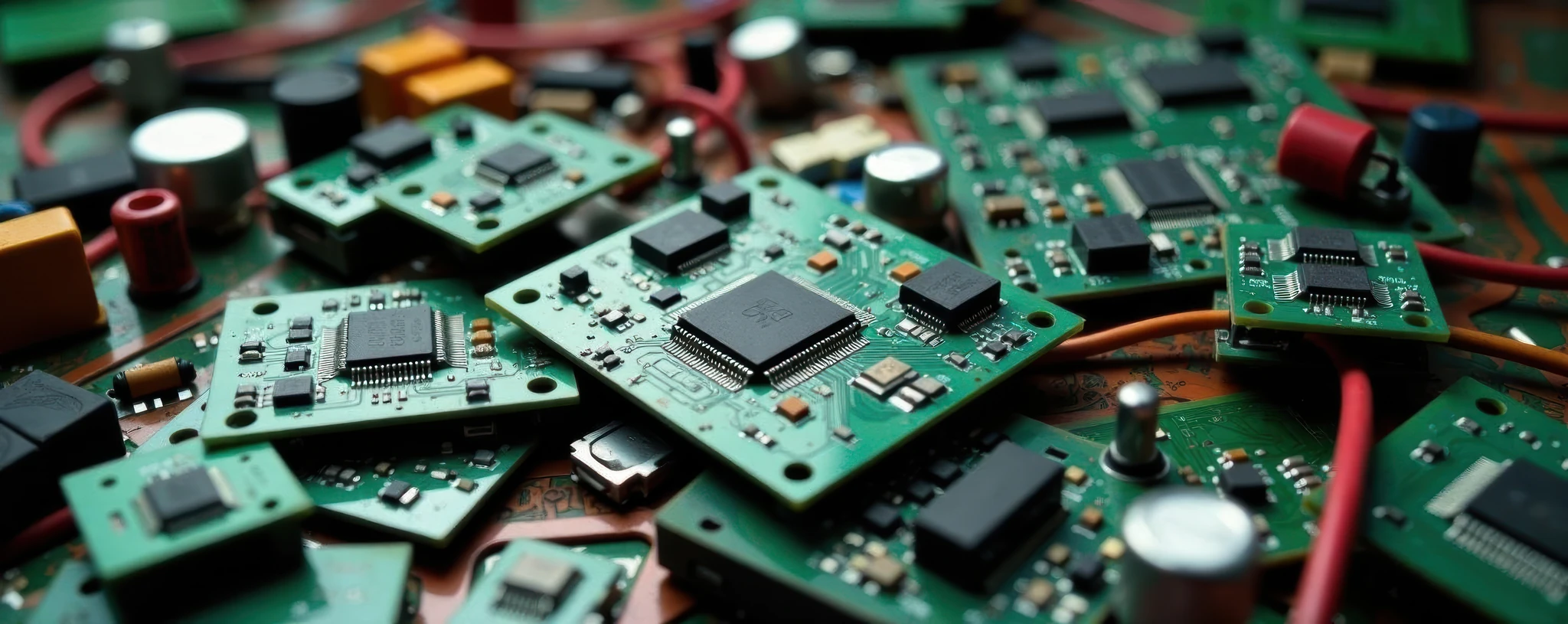
Electronic waste is remarkably rich in copper — higher grade, in many cases, than what comes out of the ground. It also contains gold, silver, and palladium, metals Korea Zinc already knew how to extract. The challenge was that e-waste is scattered across warehouses and collection hubs, handled by fragmented operators with no connection to refining capacity.
Building the Network
So, they created PedalPoint. Its purpose: build a network of companies that would take inconsistent, fragmented electronic waste and turn it into something uniform enough to feed a world-class refinery in Korea. That meant acquiring electronics recyclers, battery processors, solar panel specialists, scrap logistics companies, and IT asset disposition firms.
A Platform Bigger Than Copper
It worked — and then some. The system is expected to supply enough material to produce 150,000 tons of copper annually. But once the logistics were in place, copper was just the starting point. The same infrastructure handles end-of-life batteries (recovering nickel, cobalt, and lithium) and retired solar panels (extracting high-purity silver, aluminum, and glass). What began as a copper program became a critical minerals platform.
What's Next: Rare Earths
The newest extension is rare earths. Through our partnership with Alta Resource Technologies, we are building U.S.-based capacity to recover rare earth oxides from waste permanent magnets — neodymium, praseodymium, dysprosium, terbium — the elements that make EV motors and wind turbines possible.
First commercial production is targeted for
2027
Our Mission
We’re striving to build the largest, most innovative, and most environmentally-friendly above-ground mining operation in the world.
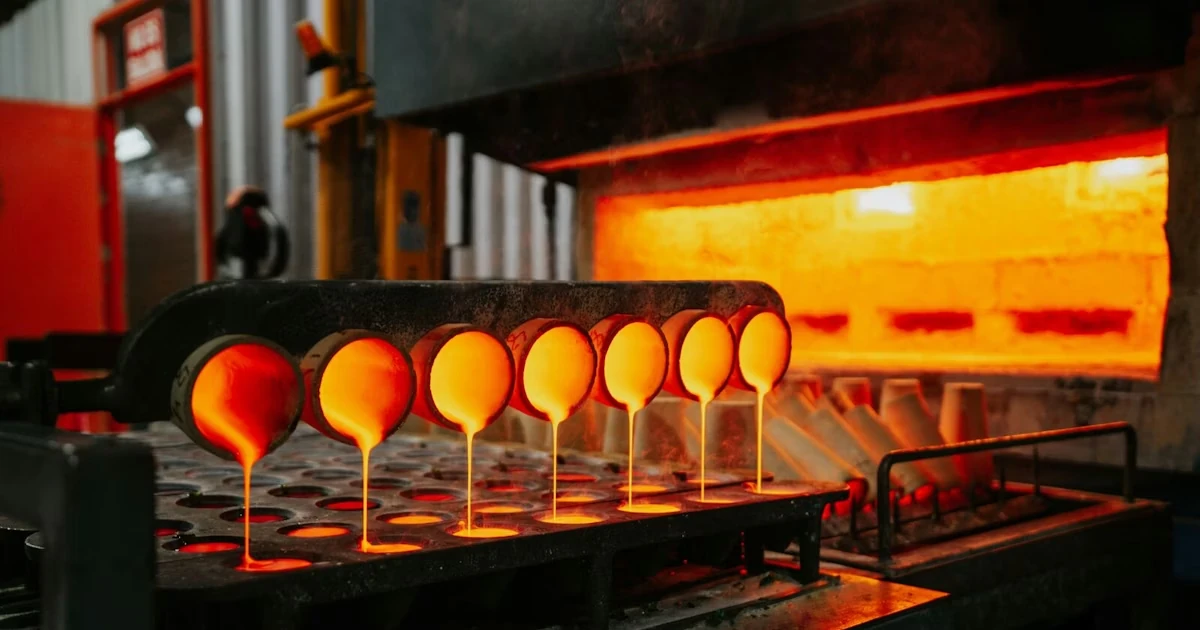
We will do this by building a system—collection, preprocessing, logistics, and refining—that can adapt as waste streams evolve. Batteries will change. Electronics will change. Solar technology will change. A network built on flexibility will outlast any single feedstock.
The strategic value is clear. Recycled streams are not subject to the same permitting delays as new mines. They do not carry the same geopolitical exposure. They exist in large volumes in countries that are our customers and allies. Capturing them is not altruism or compliance—it is supply security, delivered at margins that justify the investment.
About PedalPoint
Bringing Resources Full Circle
We unite recycling, logistics, and refining expertise to recover critical minerals and strengthen the supply of essential materials.
PedalPoint is a subsidiary of mining giant Korea Zinc. It was formed in 2021, when Korea Zinc executives wrestling with how to increase copper output had a flash of insight: What if, instead of building new mines — which take years to get started — they simply started extracting copper from electronic waste?